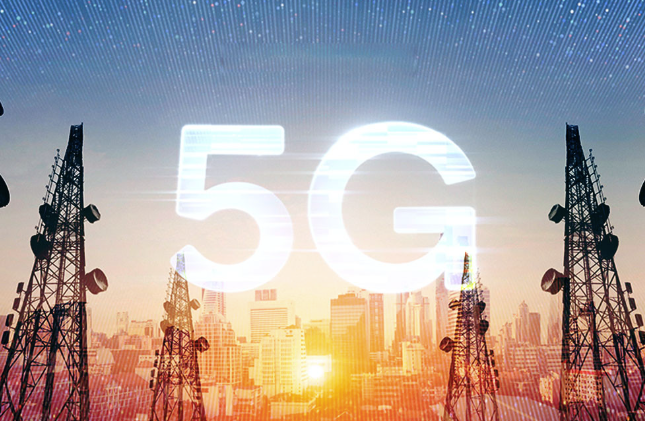
5G technology represents a pivotal shift in mobile connectivity. It promises enhanced data speeds, reduced latency, and increased device capacity. This evolution will not only improve user experiences but also foster the growth of the Internet of Things (IoT). As these advancements unfold, the implications for both consumers and industries will be profound. Understanding the full scope of 5G’s impact reveals critical insights into its transformative potential across multiple sectors.
What Is 5G and How Does It Work?
5G, the fifth generation of mobile network technology, represents a significant evolution in telecommunications, characterized by its enhanced speed, capacity, and connectivity.
Its advanced network architecture utilizes higher signal frequencies, enabling greater data throughput and reduced latency.
This innovative framework supports a multitude of devices simultaneously, promoting efficient communication.
The shift towards 5G facilitates unprecedented levels of connectivity, empowering users with enhanced freedom in mobile interactions.
The Benefits of 5G for Consumers and Everyday Use
The advent of 5G technology brings a multitude of advantages for consumers, fundamentally transforming everyday mobile experiences.
With its capacity for faster downloads, users can retrieve large files in seconds, enhancing productivity. Moreover, 5G enables enhanced streaming, allowing for seamless high-definition video playback without buffering.
This increased efficiency not only improves entertainment options but also fosters a more connected and liberated digital lifestyle.
See also: madamekafussu
How Will 5G Transform Industries and Business Operations?
As consumers benefit from the enhanced speed and connectivity of 5G, industries are poised to leverage this technology to revolutionize operations and create new business models.
Smart factories will utilize real-time data analytics for efficient production, while remote collaboration will enhance communication among global teams.
This capability fosters innovation, reduces costs, and ultimately drives competitiveness in an increasingly interconnected marketplace.
What to Expect From the Future of 5G Technology?
How will the evolution of 5G technology shape the digital landscape in the coming years?
Future applications will leverage unprecedented data speeds and low latency, enabling innovations in smart cities, autonomous vehicles, and the Internet of Things.
Technological advancements in 5G infrastructure will facilitate enhanced connectivity, empowering users with freedom and flexibility, ultimately transforming how individuals and industries interact with technology.
Conclusion
In the grand tapestry of technological evolution, 5G emerges as a vibrant thread, weaving together speed, connectivity, and innovation. Its ability to bridge gaps between devices and users heralds a new era of seamless interaction, akin to the harmonious flow of a river shaping the landscape. As industries adapt and consumers embrace this transformative force, 5G stands poised to redefine the contours of everyday life, crafting a future where connectivity is not merely a service, but an essential lifeline.