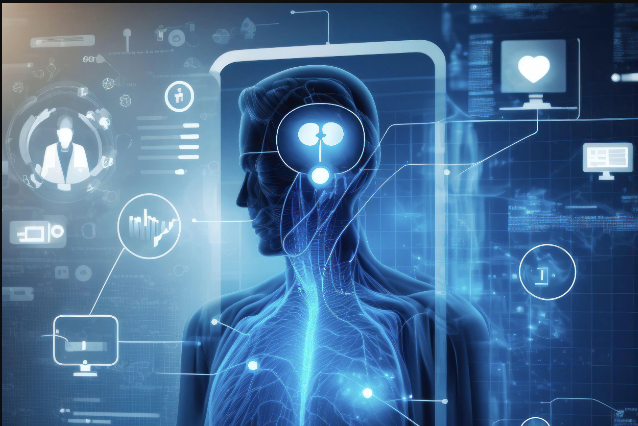
AI is revolutionizing medical diagnoses by harnessing sophisticated algorithms to analyze vast amounts of data. These technologies enhance the precision of disease detection and streamline the diagnostic process. By identifying patterns and anomalies in medical imaging and patient data, AI tools empower clinicians to make more informed decisions. As the healthcare landscape evolves, the implications of these advancements warrant further exploration, particularly in the realms of early detection and personalized treatment strategies.
The Role of AI in Early Disease Detection
As advancements in artificial intelligence continue to transform healthcare, the role of AI in early disease detection has become increasingly significant.
Machine learning algorithms analyze vast datasets to identify patterns indicative of diseases, while predictive analytics enhance diagnostic accuracy.
This combination empowers healthcare professionals to detect conditions earlier, ultimately improving patient outcomes and fostering a proactive approach to health management, promoting individual autonomy in health decisions.
How Does AI Personalize Treatment Plans?
How can artificial intelligence refine treatment plans to meet individual patient needs?
AI utilizes personalized algorithms that analyze vast amounts of patient data, including genetic information, medical history, and lifestyle factors.
This enables healthcare providers to tailor treatments, optimize medication dosages, and predict responses, ultimately enhancing therapeutic outcomes.
Enhancing Diagnostic Accuracy With AI Tools
Recent advancements in artificial intelligence (AI) are significantly improving diagnostic accuracy across various medical fields.
AI tools enhance image analysis, enabling healthcare professionals to identify abnormalities with greater precision. Additionally, sophisticated algorithms facilitate data interpretation, allowing for the synthesis of complex patient information.
This integration of AI technology not only streamlines diagnostics but also empowers clinicians to make informed decisions, ultimately benefiting patient outcomes.
See also:How 5G Technology Improves Connectivity
Future Trends: AI’s Impact on Medical Diagnostics
The ongoing integration of AI in medical diagnostics is poised to shape future healthcare landscapes significantly.
Innovations in predictive analytics will enhance early disease detection, while advanced data integration techniques will streamline information from diverse sources.
This synergy promises to empower healthcare professionals with actionable insights, ultimately improving patient outcomes and fostering a more personalized approach to medical care in an increasingly data-driven environment.
Conclusion
In conclusion, AI’s integration into medical diagnostics is revolutionizing the healthcare landscape, significantly enhancing early disease detection and treatment personalization. Remarkably, studies indicate that AI can improve diagnostic accuracy by up to 20%, a statistic that underscores its transformative potential. As technology continues to evolve, the future of medical diagnostics promises even greater advancements, ultimately leading to improved patient outcomes and enhanced satisfaction within healthcare delivery systems.